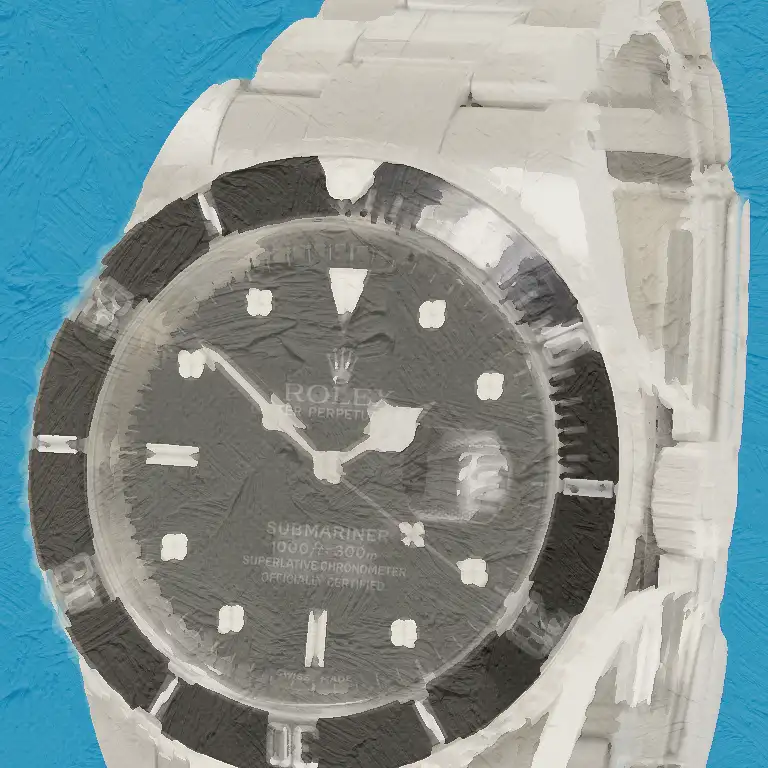
Polishing a metal surface so flat and smooth that it appears mirror-bright or black depending on the viewing angle.
Black polishing produces an exceptionally flat, smooth metal surface whose appearance changes with the viewing angle. Fine abrasive polishing controls the surface so that it can appear bright or black as the reflected light changes. The dark appearance comes from reflection rather than an applied black layer. Tools carrying polishing paste are adapted to the shape of the component, and some workshops take a bevelled edge through to this finish. Black polishing therefore describes the resulting surface, while anglage describes the shaping and polishing of an edge. The two techniques can occur on the same component.
In job listings
This is the vocabulary of high-end movement and case finishing. A role that names hand finishing may involve it directly, while sales staff may use it to explain why one component in a movement looks dark or bright as it turns. Search local jobs for “watchmaker”.