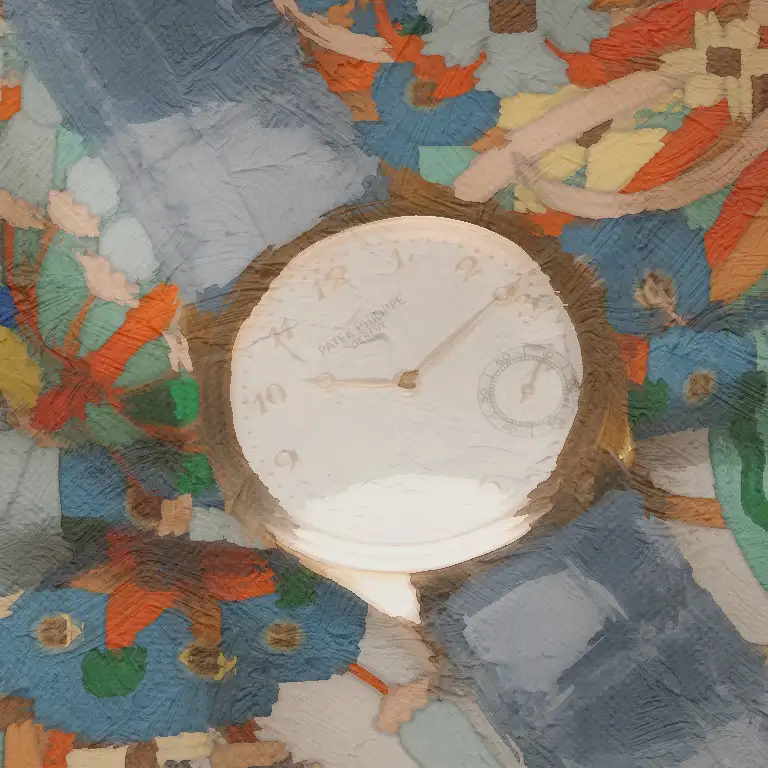
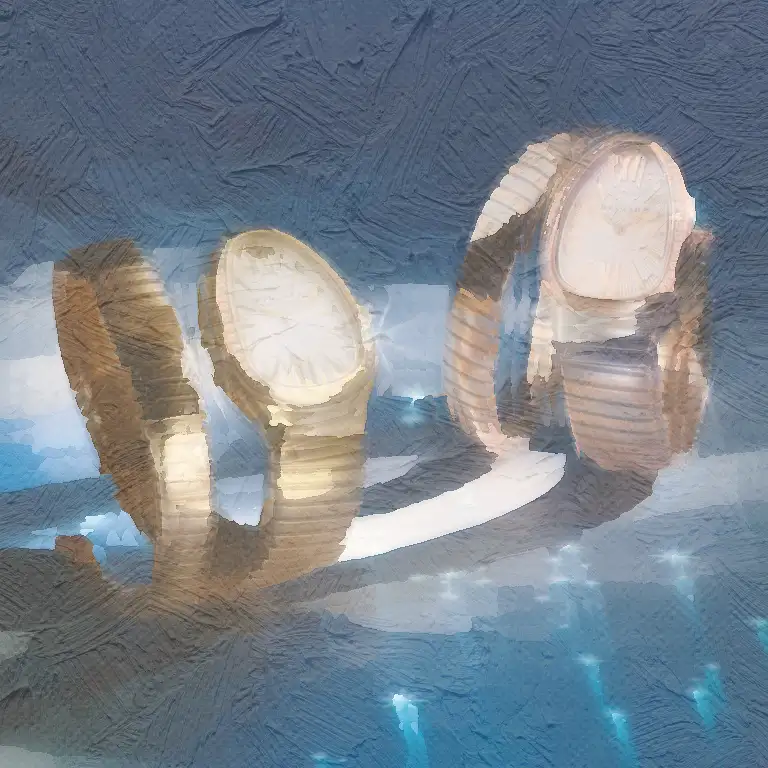
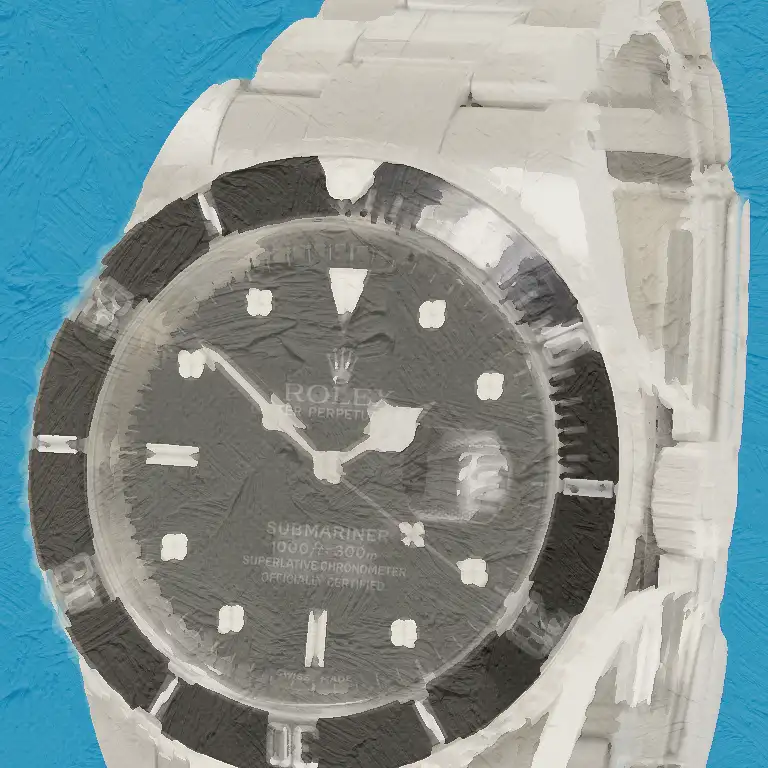
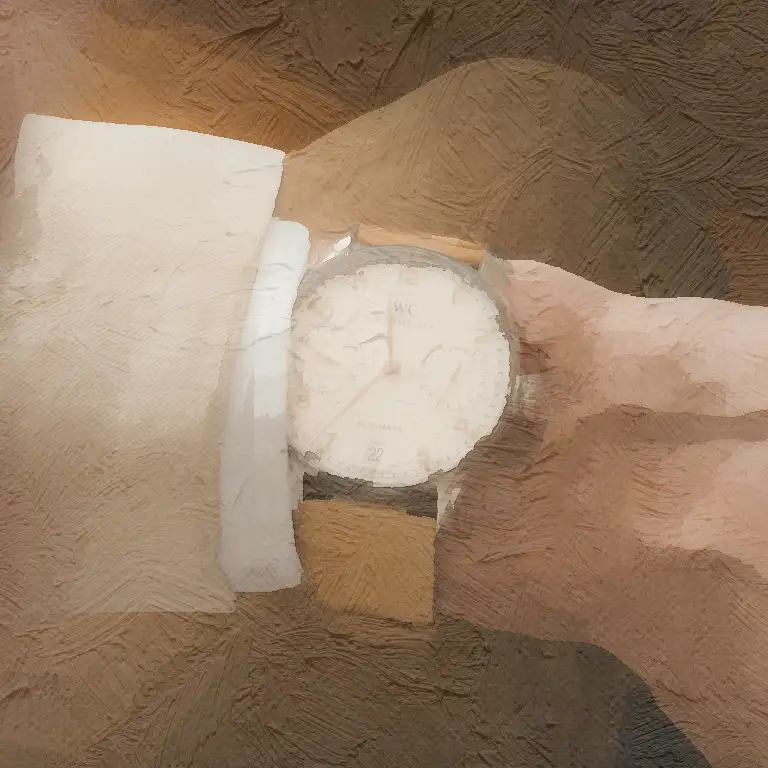
A decorative pattern of repeated engraved lines, traditionally cut into metal with a hand-operated engine-turning machine.
Traditional guilloché uses a hand-operated mechanical machine to guide a cutting tool through regular, repeating patterns. A straight-line machine produces rectilinear designs, while a rose engine produces circular patterns. The craftsperson controls the operation as the tool cuts fine grooves into the surface. Watch dials and cases are established applications, and the technique can also decorate movement components and bracelets. Its defining feature is the method of cutting the decoration. A similar-looking pattern made by stamping or milling does not establish that the surface was worked by traditional hand-operated engine turning.
In job listings
This word is more likely to appear in a house’s product description than in a vacancy. Dial and case specialists may practise the technique, and a client advisor can use it to explain a dial’s fine repeated pattern. Search local jobs for “watchmaker”.